


A PA tax calculator can quickly estimate how Pennsylvania taxes affect your income. Pennsylvania uses a flat personal income tax rate of 3.07%. Your final paycheck can also reflect federal taxes, payroll taxes, and local Pennsylvania taxes. Direct answer: Pennsylvania generally taxes taxable personal income at a flat 3.07% state rate. A calculator multiplies qualifying Pennsylvania taxable income by that rate to estimate state income tax. Your actual take-home pay may differ because federal taxes, Social Security, Medicare, local earned income tax, and other deductions can also apply.
Pennsylvania Tax Rates at a Glance
| Tax or deduction | 2026 treatment |
|---|---|
| Pennsylvania personal income tax | 3.07% flat rate |
| Pennsylvania sales tax | 6% statewide |
| Allegheny County sales tax | 7% total |
| Philadelphia sales tax | 8% total |
| Local earned income tax | Varies by municipality |
| Employee unemployment contribution | 0.07% of covered gross wages |
| Federal income tax | Depends on taxable income and filing status |
| Social Security and Medicare | Federal payroll taxes may apply |
Pennsylvania’s statewide income tax calculation is simpler than many states. It does not use graduated state income tax brackets. The same 3.07% rate applies to taxable income covered by Pennsylvania rules. Local taxes make the complete picture more complicated. Municipalities and school districts can impose earned income taxes with different rates. Philadelphia also operates its own wage tax system instead of the standard Act 32 structure.
How a PA Tax Calculator Works
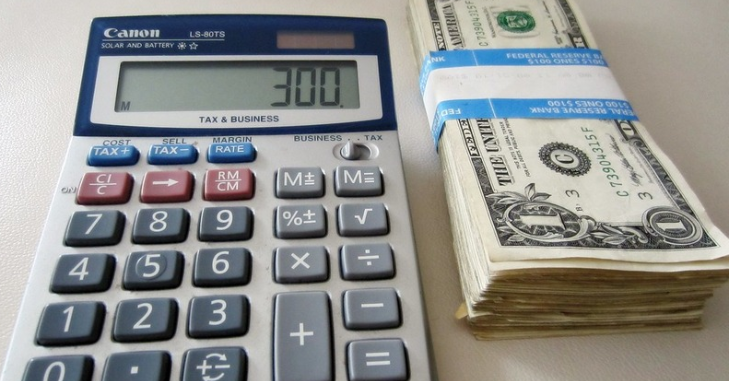
The basic statewide calculation is straightforward. Multiply Pennsylvania taxable income by 0.0307 to estimate the state personal income tax. This calculation gives you a starting point rather than a complete tax-return result. For example, assume you have $60,000 of Pennsylvania taxable income. Multiplying $60,000 by 3.07% produces an estimated state tax of $1,842. A $100,000 taxable-income figure produces an estimated $3,070 before considering other taxes or credits. The formula can be written as: Estimated Pennsylvania income tax = Pennsylvania taxable income × 3.07% A simple state-only calculation should not be confused with a complete paycheck calculation. Your gross salary and your Pennsylvania taxable income may not always be identical. Pennsylvania also applies its own rules for determining taxable classes of income.
What Taxes Can Reduce Your Pennsylvania Paycheck?
Your state income tax is only one deduction that can affect take-home pay. Employees can also face federal income tax, Social Security tax, Medicare tax, and Pennsylvania unemployment contributions. Local earned income or wage taxes may create another deduction. These deductions explain why subtracting 3.07% from your salary does not produce an accurate paycheck estimate. Federal income tax depends on factors such as taxable income and filing circumstances. Payroll deductions and employee benefits can change the amount deposited into your bank account. Business owners should also separate payroll calculations from broader financial planning. Reviewing cash movement alongside taxes can provide a clearer view of available funds. Businessstry’s cash flow statement guide explains how operating cash differs from reported accounting results.
Pennsylvania State Income Tax vs. Federal Income Tax
Pennsylvania and the federal government use different income tax systems. Pennsylvania uses its 3.07% flat personal income tax rate. Federal income tax uses progressive brackets, so different portions of taxable income can face different rates. That distinction matters when estimating your total tax bill. A person earning more money does not move their entire income into one higher federal rate. Pennsylvania’s state calculation remains based on its flat rate for qualifying taxable income. Pennsylvania also does not simply copy federal adjusted gross income. The state defines separate classes of taxable income and applies Pennsylvania-specific rules. That difference can cause a state calculation to diverge from a federal estimate.
How Local Pennsylvania Taxes Affect Your Estimate
Local tax is one of the easiest items to overlook. Pennsylvania municipalities and school districts may impose earned income taxes. The correct rate can depend on where you live and where you work. Pennsylvania provides Political Subdivision Codes to identify local taxing jurisdictions. Employers use these codes when handling local earned income tax withholding. Residents can search the state’s address-based database to identify applicable codes and rates. Philadelphia is a major exception to standard Act 32 collection. The city administers its own wage tax for qualifying residents and workers. Someone working in Philadelphia may therefore see a substantially different local deduction from another Pennsylvania employee.
Example Pennsylvania Income Tax Estimates
The table below shows simplified state-only calculations using the 3.07% rate. These figures do not represent complete tax returns or paycheck withholding. They are useful for rough planning before adding federal and local obligations.
| Pennsylvania taxable income | Estimated state income tax |
|---|---|
| $30,000 | $921 |
| $40,000 | $1,228 |
| $50,000 | $1,535 |
| $60,000 | $1,842 |
| $75,000 | $2,302.50 |
| $100,000 | $3,070 |
| $150,000 | $4,605 |
| $250,000 | $7,675 |
These examples demonstrate the effect of a flat rate. Doubling Pennsylvania taxable income generally doubles the basic state tax calculation. Credits, taxable-income rules, and special circumstances can still change a taxpayer’s final liability. The estimates also exclude local earned income taxes. They do not include federal income taxes or federal payroll taxes. Use them as planning figures rather than filing instructions.
Pennsylvania Sales Tax Is a Different Calculation
Personal income tax should not be confused with Pennsylvania sales tax. The statewide sales tax rate is 6% on taxable purchases and services. Some purchases are exempt under Pennsylvania rules. Philadelphia adds a 2% local sales tax, creating an 8% combined rate. Allegheny County adds 1%, creating a 7% combined rate. Pennsylvania changed certain local sales-tax sourcing rules during 2026. Use tax can also apply when sales tax was not collected on a taxable purchase. Pennsylvania generally applies use tax at the corresponding sales-tax rate. Businesses should not assume an out-of-state purchase is tax-free simply because the seller collected nothing.
What a Tax Estimate May Not Include
No simple calculator can reproduce every taxpayer’s circumstances. Credits, multiple income sources, business income, unusual deductions, and local taxes can change the final amount. A state-only tool may also omit federal payroll deductions. Pennsylvania residents are generally taxed on qualifying taxable income from inside and outside the state. Nonresidents are generally taxed on specified Pennsylvania-source income instead. Credits for certain taxes paid to other states may also affect residents. Keep records supporting the figures entered on your returns. Businessstry’s guide to keeping tax returns and supporting records explains common federal retention periods. Organized records can make later corrections and tax questions easier to handle.
Using Tax Estimates for Personal and Business Planning
An estimate becomes more valuable when you connect it to a budget. Compare expected gross income with taxes, recurring expenses, savings, and debt payments. That approach shows how much money may remain for other goals. If you are working toward a savings target, update your plan when your income changes. Businessstry’s financial-goal planning guide covers practical ways to track progress. Tax estimates can then become one input within a broader financial plan. Business owners should use the same discipline when planning payroll or purchases. Tax software and professional accounting support may be appropriate as transactions become more complex. Businessstry also reviews software and services used for business operations.
When Should You Use a Tax Professional?
A basic estimate can work well for straightforward planning. Professional advice becomes more useful when income comes from several states or business entities. Complex credits, business transactions, or unusual deductions can also require closer review. Self-employed taxpayers may need additional calculations beyond Pennsylvania personal income tax. Business profits can affect federal income taxes and self-employment taxes. Local net-profits taxes may also apply depending on the municipality. Use the Pennsylvania Department of Revenue personal income tax guidance and IRS instructions when preparing an actual return. A calculator should help you estimate and plan, not replace authoritative filing guidance. A CPA, enrolled agent, or other qualified professional can address circumstances specific to you.
Frequently Asked Questions
What is the Pennsylvania income tax rate in 2026?
Pennsylvania’s personal income tax rate is 3.07%. The state uses a flat-rate structure rather than progressive personal income tax brackets. Pennsylvania-specific taxable-income rules still determine the amount subject to that rate.
Is a PA tax calculator accurate?
It can provide a useful estimate when its inputs and tax rates are current. State-only calculators may omit federal, payroll, and local taxes. Your filed tax liability can also differ because of credits and individual circumstances.
Does Pennsylvania have local income tax?
Yes, local earned income taxes apply in many Pennsylvania jurisdictions. Rates depend on the applicable municipality and school district. Pennsylvania’s DCED provides an address lookup for PSD codes and EIT rates.
How much Pennsylvania tax applies to $75,000?
A simplified 3.07% calculation on $75,000 produces $2,302.50 in Pennsylvania state income tax. That figure assumes the full $75,000 is subject to the state calculation. Federal taxes, local taxes, credits, and other factors are separate.
Does Pennsylvania have a standard deduction like the federal government?
Pennsylvania does not calculate personal income tax by simply applying the federal standard deduction. The state uses its own taxable-income rules and income classifications. That makes federal taxable income an unreliable substitute for Pennsylvania taxable income.
Are Social Security and Medicare included in Pennsylvania income tax?
No, Social Security and Medicare are federal payroll taxes rather than Pennsylvania personal income tax. Employees can see those deductions alongside state withholding on a paycheck. A take-home-pay calculator may include them even though a state-only calculator does not.
Plan With the Estimate, Then Verify the Details
A Pennsylvania tax estimate can help you plan a paycheck, budget, or business expense. Start with the 3.07% statewide personal income tax rate. Then account for federal obligations, payroll deductions, and any local tax that applies. Check official tax guidance before filing or making an important financial decision. Rates and local rules can change, while personal circumstances affect the final result. Use the estimate as a planning tool and verify unusual situations with a qualified tax professional. —