


Dairy Queen Franchise Cost
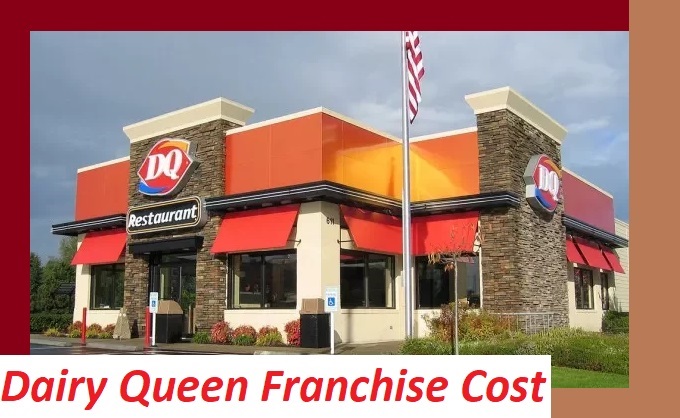
If you’re considering opening a Dairy Queen franchise, it’s essential to understand the associated costs. The Dairy Queen Franchise cost includes various fees and expenses that can impact your initial investment. This includes the franchise fee, which grants you the right to operate under the Dairy Queen brand, and costs for equipment, supplies, and store setup. Additionally, there are ongoing fees, such as royalty payments and marketing contributions. By thoroughly researching the Dairy Queen Franchise cost and preparing for these financial requirements, you can make an informed decision and plan effectively for your new business venture.
Key Factors That Influence Dairy Queen Franchise Costs
The cost of opening a Dairy Queen franchise can vary based on several important factors related to setup and operations. Expenses are typically influenced by the type of location chosen, construction or renovation requirements, equipment needs, and initial inventory. Ongoing considerations such as staffing, marketing, and operational fees also play a role in overall investment planning. Understanding these cost factors helps prospective franchise owners better evaluate the financial commitment required and plan their budget more effectively before starting a Dairy Queen franchise.
Initial Franchise Fee
The initial franchise fee for a Dairy Queen location is significant to the Dairy Queen Franchise cost. This fee grants you the right to operate under the Dairy Queen brand and use its established business model. As of the latest data, this fee typically ranges from $35,000 to $40,000. This fee is an upfront payment crucial for securing the franchise agreement. Including this cost in your initial budget is essential to ensure you have sufficient funds for this investment.
Equipment and Store Setup Costs
In addition to the franchise fee, you must budget for equipment and store setup costs as part of the Dairy Queen Franchise cost. These costs include purchasing and installing kitchen equipment, signage, and store furnishings. On average, setting up a Dairy Queen location can range from $700,000 to $1.2 million, depending on the size and location of the store. These expenses ensure that your store meets Dairy Queen’s operational standards and is ready to serve customers effectively.
Ongoing Royalty Fees
Once your Dairy Queen franchise is operational, you must pay ongoing royalty fees as part of the Dairy Queen Franchise cost. These fees are calculated as a percentage of your store’s gross sales, typically from 4% to 5%. Royalty fees are used to support the ongoing use of the Dairy Queen brand and access to their business systems. This ongoing expense is essential for maintaining your franchise relationship and ensuring continued support from the franchisor.
Marketing and Advertising Contributions
Marketing and advertising contributions are another component of the Dairy Queen Franchise cost. Franchisees must contribute to a national marketing fund, usually around 2% of gross sales. These contributions fund nationwide advertising campaigns and promotional activities that drive brand recognition and customer traffic. Additionally, you may need to invest in local marketing efforts to promote your specific Dairy Queen location and attract customers.
Location and Real Estate Costs
Choosing the right location is crucial for a successful Dairy Queen franchise, and location costs are a significant part of the Dairy Queen Franchise cost. This includes leasing or purchasing property expenses and any necessary renovations to meet Dairy Queen’s specifications. Real estate costs can vary greatly depending on the area and market conditions. Properly assessing and budgeting for these costs will help secure a prime location for your Dairy Queen store.
Training and Support Costs
As part of the Dairy Queen franchise cost, you must also budget for training and support expenses. Dairy Queen provides initial training programs for franchisees and their staff, which is essential for running the business effectively. This training often includes classroom sessions and hands-on experience. Additionally, there may be ongoing support costs for continued training, operational assistance, and business advice to help you succeed in managing your franchise.
Franchise Agreement and Legal Fees
The Dairy Queen Franchise cost includes legal and franchise agreement fees. You will need to review and sign a franchise agreement, which outlines the terms and conditions of your franchise relationship. It is advisable to consult with a legal professional to ensure that you fully understand the agreement and any associated fees. Legal fees for reviewing and negotiating the franchise agreement should be factored into your overall budget for starting a Dairy Queen franchise.
Financing Options for Dairy Queen Franchise Cost
Financing options can help manage the Dairy Queen Franchise cost and make the investment more manageable. Many franchisees use a combination of personal savings, bank loans, and other financing methods to cover their initial and ongoing expenses. Dairy Queen may also provide financing assistance or work with preferred lenders to help franchisees secure the necessary funds. Exploring various financing options and understanding their terms will be crucial for successfully funding your Dairy Queen franchise.
Brand Recognition and Customer Loyalty
One of the major advantages of investing in a Dairy Queen franchise is the strength of its brand recognition and loyal customer base. Dairy Queen has been serving customers for decades and is well known for its ice cream treats, desserts, and fast-food menu items. This established reputation can help franchise owners attract customers more quickly than an independent business. Strong brand awareness, combined with national marketing efforts, can contribute to consistent customer traffic and provide a solid foundation for long-term business growth.
Potential Return on Investment
When considering the Dairy Queen Franchise cost, evaluating the potential return on investment (ROI) is essential. While the initial and ongoing costs are significant, a well-run Dairy Queen franchise can offer a strong ROI through steady revenue and profitability. Analyzing financial projections, industry trends, and the performance of existing Dairy Queen Franchises can help you assess the potential for a successful and profitable business. Understanding the ROI can guide your decision-making and help you plan for long-term success.
Read More: – Inxpress
Conclusion
Understanding the Dairy Queen Franchise is essential for anyone interested in opening a Dairy Queen location. The costs include the initial franchise fee, equipment and setup expenses, ongoing royalty fees, and contributions to marketing. Location and real estate costs, training, and legal fees are also essential. By thoroughly assessing and budgeting for these costs, exploring financing options, and evaluating potential ROI, you can make an informed decision and plan effectively for your Dairy Queen Franchise investment.
Apart from that if you want to know about “How to Start a Poke Bowl Business?” then please visit our “Small Businesses” Category.
FAQs
The total initial investment for a Dairy Queen franchise typically ranges from $1.1 million to $1.9 million.
The initial franchise fee for Dairy Queen is around $35,000.
Major factors include real estate, construction or remodeling, equipment purchases, staffing needs, and initial inventory.
Franchise owners typically pay ongoing fees related to royalties, marketing contributions, and operational support.
Profitability depends on factors such as location, operating efficiency, customer demand, and cost management.






 is essential.)